Time for new hearing aids?
Check these things first.
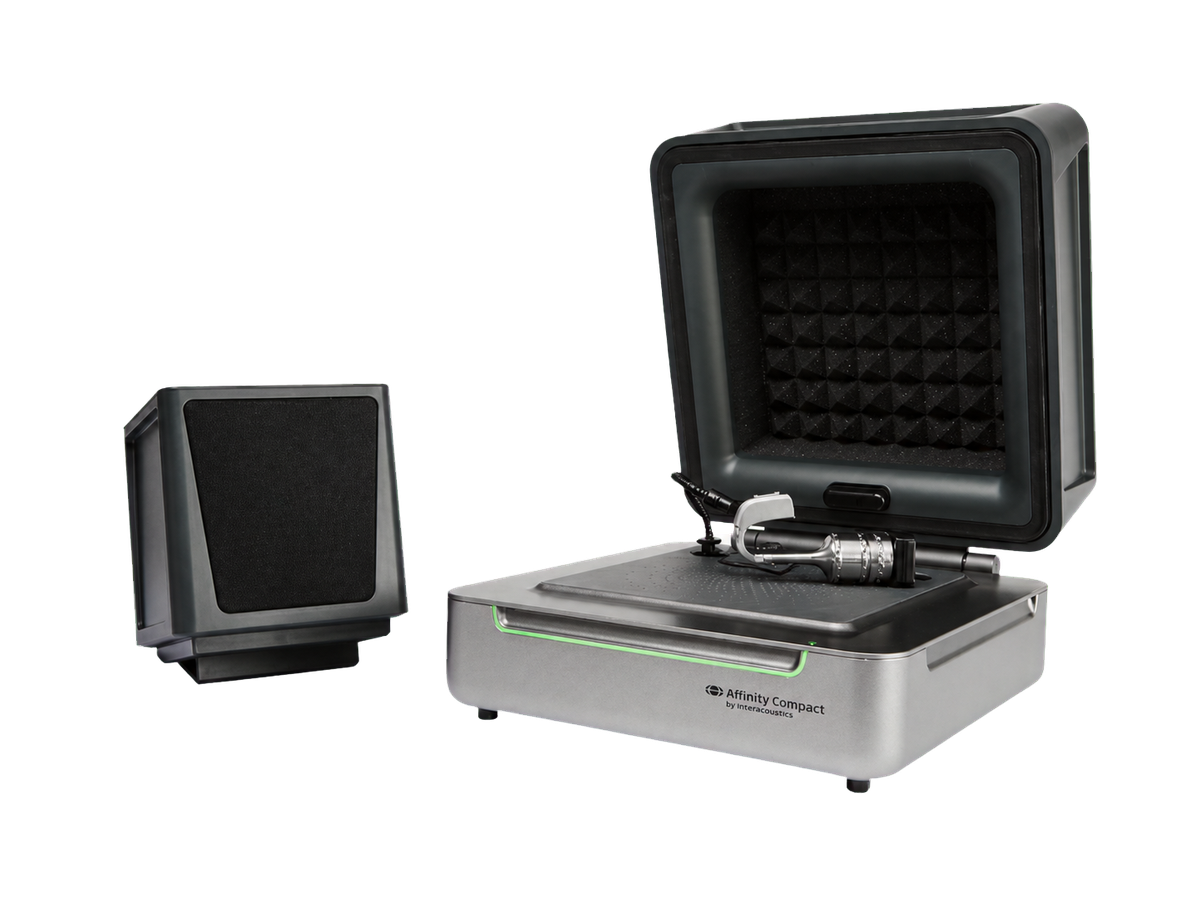
A disappointing hearing aid is not always an outdated hearing aid. Find out what changed before deciding what to buy.
Your hearing aids are several years old, and you are working harder to follow conversations. Does that mean it is time for a new pair? Possibly—but an older hearing aid, a poorly functioning hearing aid and an unsuitable fitting are not the same problem.
First, find out what changed
Write down the problem before your appointment. Is one aid quieter? Do both cut out? Have phone calls become difficult? Is the trouble limited to restaurants, or does it happen in quiet conversation too? Include when it began and whether it comes and goes.
Power, blocked sound paths, moisture and damaged parts can cause problems that feel like a failing hearing aid. Leeds Teaching Hospitals’ troubleshooting guide describes several common faults. Follow the instructions for your own model; do not try to open a sealed device or improvise a repair.
If the change is in your hearing rather than just the device—or you cannot tell—say so. A hearing evaluation and an ear examination may be needed alongside the device check.
Repair, reprogram or replace?
- Repair: Ask whether a specific fault can be corrected, whether the needed part is available and what warranty comes with the work. A repair restores function; it does not add a newer model’s features.
- Reprogram or adjust the fit: If the device is working, ask whether its settings and earpiece still suit your current hearing. Find out how the revised fitting will be checked.
- Replace: Consider a new device if the current one cannot provide the required fitting, cannot be reliably serviced, or lacks a function that matters enough to justify changing.
Those are questions to work through, not diagnoses you need to make yourself. If the recommendation is replacement, ask what the examination found that makes it preferable to repair or adjustment.
Hearing aids, up close
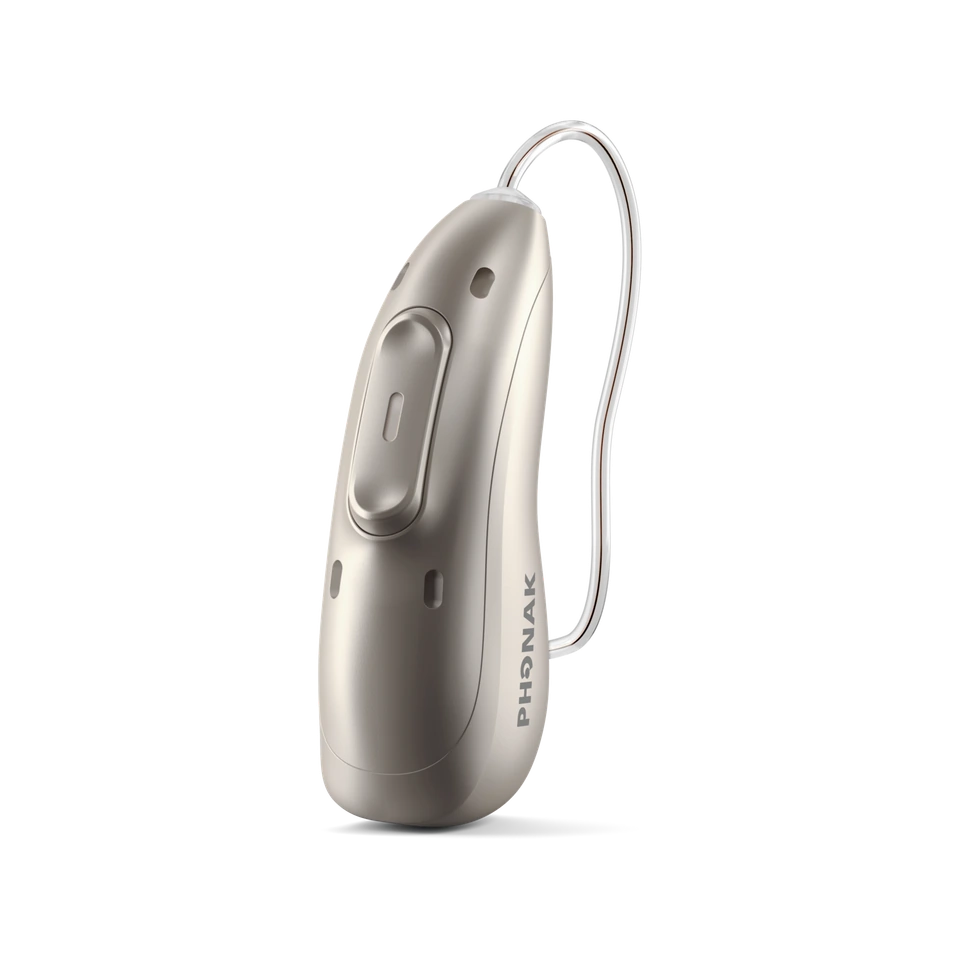
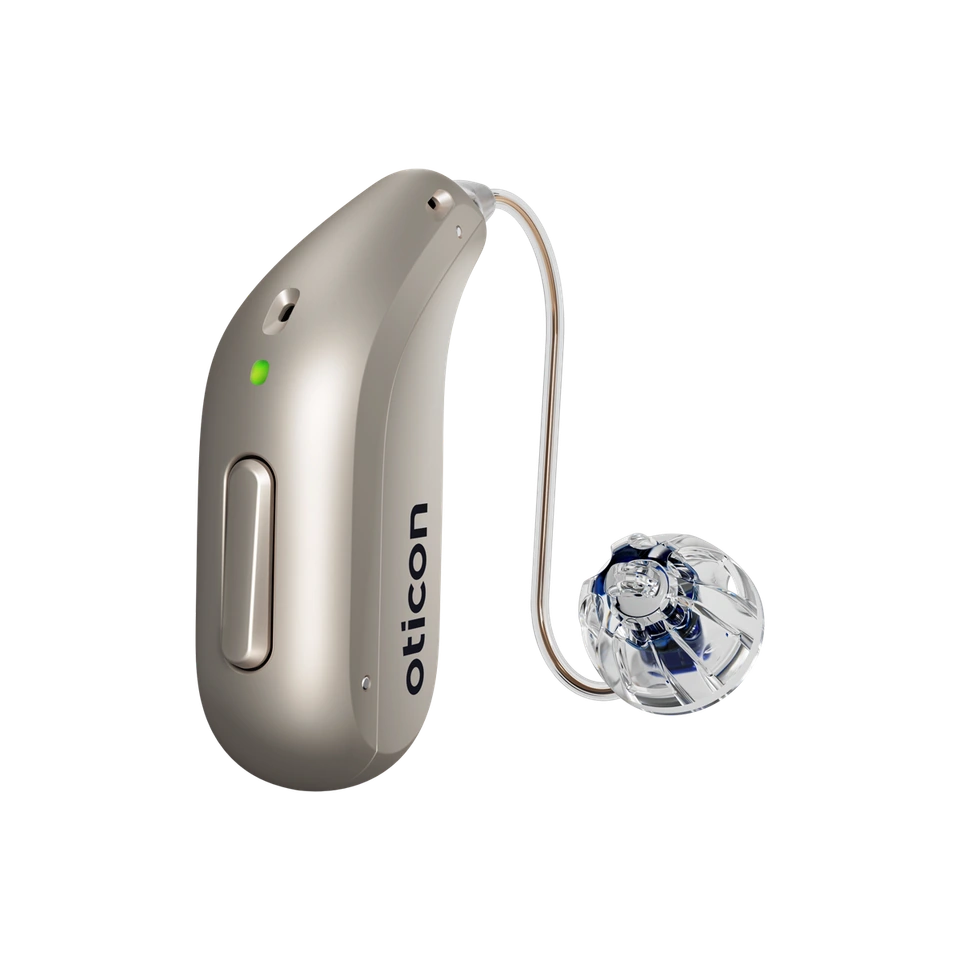
Official manufacturer images of prescription hearing-aid examples. These photographs identify the models shown, not a recommendation for your hearing or a guarantee of availability.
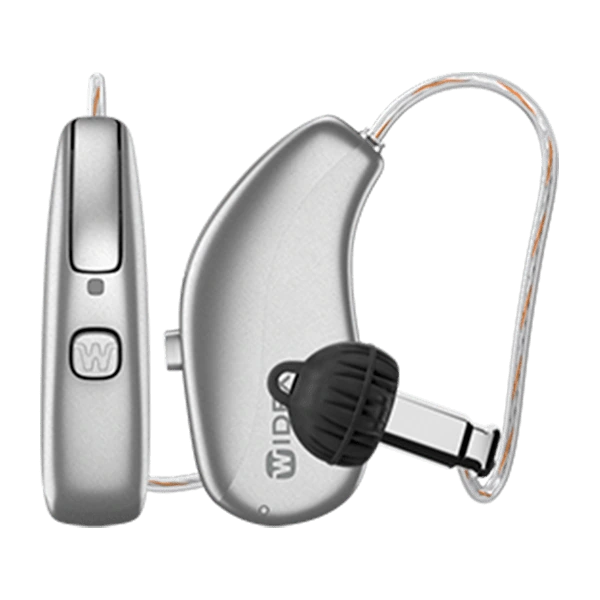
What would an upgrade actually change?
Start with one clear goal. Perhaps you want to manage calls without holding the phone in a particular position, avoid handling disposable batteries, or improve access to speech in a recurring listening situation. Then ask which proposed feature addresses that goal.
Do not use the age of a product launch as a substitute for a comparison. Newer technology can offer different capabilities, but it does not remove every limitation. The FDA cautions that hearing aids do not restore normal hearing.
If restaurants are the only sticking point, discuss that specifically. Our restaurant listening guide covers why the room, distance and competing voices matter. A new pair should not be presented as a guarantee that every noisy dinner will become easy.
Compare with your current pair working properly
Bring your existing devices, charger, phone and any useful repair records. Ask for the current aids to be checked before you judge them against a new option. Otherwise, a blocked or poorly adjusted aid may make the comparison misleading.
Ask about real-ear verification and how benefit will be assessed. ASHA describes verification and outcome assessment as parts of adult hearing-aid care. Take brief notes during any agreed trial: where were you, what was difficult, and what was different?
Keep comfort and handling in the comparison. An improvement on paper is less useful if you struggle to insert the device, cannot operate the controls or dislike wearing it.
Get the practical details in writing
Before deciding, request a repair estimate and a clear explanation of the replacement option. Ask about warranty coverage, expected turnaround, follow-up care, trial and return conditions, and any fees that would not be refunded. If you need a device while yours is away, ask whether a suitable loaner is available; do not assume it is included.
You do not need to decide from a brochure alone. Pinnacle Audiology’s hearing-aid repair service and hearing-aid consultations in NYC offer different starting points. Tell us whether your main concern is a fault, a change in hearing or a feature you wish you had.
Frequently asked questions
Do hearing aids have to be replaced every few years?
Do not decide from age alone. Device condition, serviceability, your hearing and your listening needs should guide a repair-versus-replacement discussion.
Link to this answerCan reprogramming help instead of buying new hearing aids?
It may help if the device works properly and can still meet your hearing needs. Your audiologist should check the current fitting and explain any limits before recommending replacement.
Link to this answerShould I replace both hearing aids if one breaks?
Not automatically. Ask whether the damaged aid can be repaired or replaced compatibly, and how either option would work with the aid you already have.
Link to this answerWhat should I bring to a hearing-aid upgrade appointment?
Bring your current hearing aids, charger, phone, previous hearing-test results and any repair or warranty records you have. Note the specific situations you want to improve.
Link to this answerSources and further reading
- Leeds Teaching Hospitals: Common faults with hearing aids
- ASHA: Hearing aids for adults
- FDA: Hearing-aid benefits and limitations
- NIDCD: Questions to ask before buying hearing aids
- NIDCD: Sudden deafness
General patient education. A device assessment and hearing evaluation are needed for an individual recommendation.
Get expert
hearing care.
Bring your questions and any hearing aids you already use. We can discuss your hearing, the fitting and the next step.