Real Ear Measurement:
The Step Most Skip

Real Ear Measurement verifies that your hearing aids are actually delivering the right amount of sound in your ear, not just on the manufacturer’s screen. It gives your audiologist measurements to guide programming alongside your feedback.
The short answer: Real Ear Measurement (REM) is a verification test performed during a hearing aid fitting. A thin probe microphone sits in your ear canal while you wear your hearing aids, measuring the exact sound that reaches your eardrum. Your audiologist then fine-tunes the devices until they match a validated prescription for your hearing loss. Without it, your fitting is an educated guess.
First fit vs. verified fit
When a hearing aid is programmed, the fitting software produces a "first fit": the manufacturer’s estimate of the right settings for an average ear with your audiogram. The problem is that no one has an average ear. Every ear canal has its own length, volume, and shape, and those differences change how sound behaves. The same device, with the same settings, can be too quiet in one ear and harsh in another.
- Basic fitting: software estimate, adjusted by asking "how does that sound?"
- Verified fitting: measured at your eardrum, matched to prescriptive targets, then refined with your feedback.
Professional best-practice guidelines from the major audiology organizations call for verification, yet in practice many dispensers skip it because it takes time and equipment. In our clinic, a common story we hear from new patients is: "I spent thousands and they never put a probe in my ear." If that sounds familiar, your hearing aids may have far more to give.
Why many hearing aids disappoint
- No verification: the first fit under-delivers high-frequency speech cues, so words sound muddy.
- Volume-only adjustments: turning everything up instead of shaping the response.
- No follow-up: the brain adapts over weeks; the programming should evolve with it.
- Wrong expectations: restaurants are hard for everyone; a good fitting narrows the gap honestly. More on that in why hearing aids struggle in restaurants.
Careful programming matters alongside the technology you choose.
Questions to ask before you buy
- "Where is Real Ear Measurement performed, and is it included in my fitting?" Confirm the setting and included services before booking.
- "What prescription targets do you verify against?"
- "How many follow-up visits are included, and is reprogramming covered?"
- "Will a Doctor of Audiology handle my fitting and my follow-ups?"
Hearing aids, up close
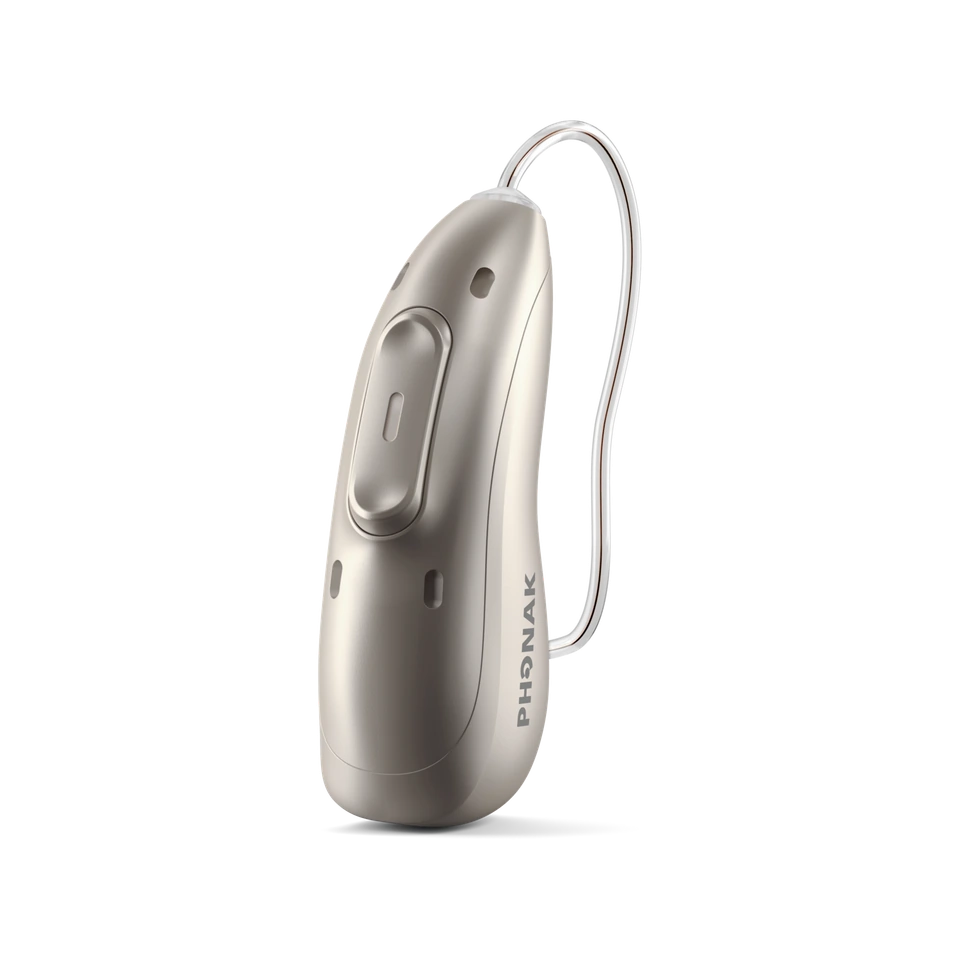
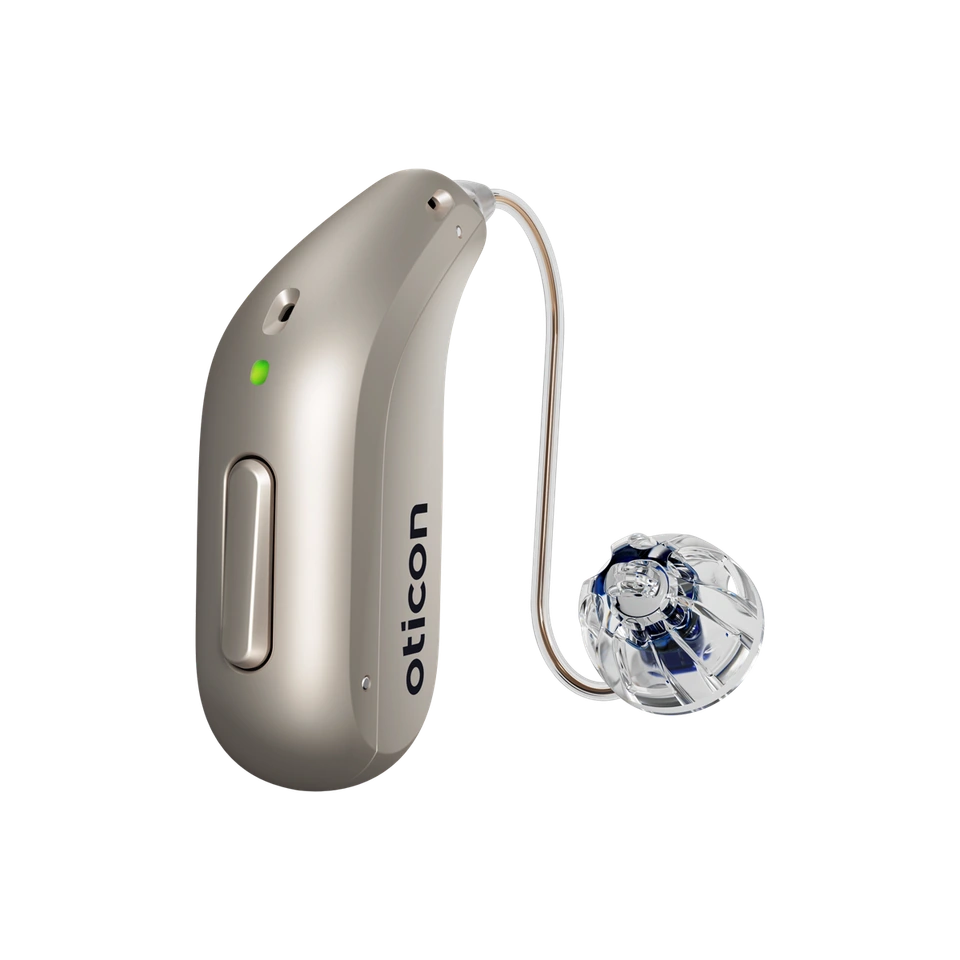
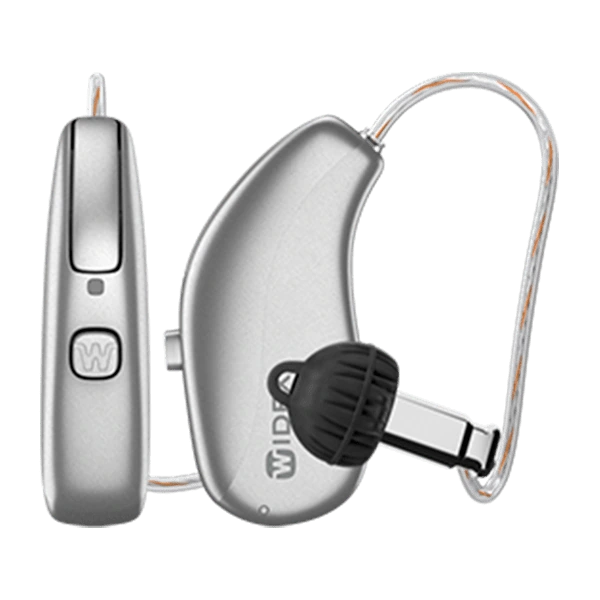
Official manufacturer images of prescription hearing-aid examples. These photographs identify the models shown, not a recommendation for your hearing or a guarantee of availability.
How Pinnacle fits hearing aids
Our hearing aid fitting care is doctor-led. We offer in-office Real Ear Measurement for devices from Phonak, Oticon, Widex, Signia, Starkey, ReSound, or another manufacturer, and whether you bought it from us or somewhere else. Ask which verification services are included in your fitting and plan. If your current devices have never sounded right, a re-programming and verification visit at our Midtown Manhattan or Garden City office can help us assess what needs adjustment; see also why your hearing aids might not be working.
Frequently asked questions
Does REM hurt or take long?
No. The probe is a soft, thin tube; the measurement adds roughly 15 to 20 minutes to a fitting.
Link to this answerIs REM needed for OTC hearing aids too?
OTC devices are self-fit by design, which is part of why results vary. Many can still be measured, and a professional check tells you what they are actually delivering. See our OTC hearing aid guide.
Link to this answerMy hearing aids never sounded right. Can they be re-fit?
Often, yes. We regularly verify and re-program devices purchased elsewhere, including through our transfer of care service.
Link to this answerWhat the appointment looks like
Real ear measurement is quick and painless. A thin, soft probe tube is placed in your ear canal alongside your hearing aid, and the audiologist plays calibrated speech or sounds while a microphone measures exactly what reaches your eardrum. That live measurement is compared against the prescription your hearing loss calls for, and the aids are adjusted until the real, in-your-ear output matches the target. It adds only a few minutes to a fitting and is the difference between aids tuned to you and aids left on a generic factory setting.
Why it gets skipped
Surveys of the field have long shown that many fittings are done without real ear measurement, often to save time or because the equipment is not on hand. The result is hearing aids that are too quiet, too sharp, or simply wrong for the wearer, which is a leading reason devices end up unworn. Asking a provider whether they verify with real ear measurement is one of the most useful questions you can ask before buying.
Our standard
REM is performed in our office, not during home visits. Ask which verification services are included in your fitting and plan. Measurements and follow-up fine-tuning help guide adjustments as you adapt. Learn more on our hearing aid fittings page.
References
- Hearing Aids: National Institute on Deafness and Other Communication Disorders (NIDCD), NIH
- Hearing Aids for Adults: American Speech-Language-Hearing Association (ASHA)
- Practice Guidelines and Standards (Adult Hearing Aid Fitting): American Academy of Audiology
- Hearing Aids: U.S. Food & Drug Administration
- Hearing Aid Buying Guide: Consumer Reports
About the reviewer: Dr. Eric G. Nelson, Au.D., CCC-A, is a board certified Doctor of Audiology, founder and clinical director of Pinnacle Audiology, and a former audiology supervisor at Weill Cornell Medicine. This article is educational and is not a substitute for individual medical advice.
Get expert
hearing care.
Comprehensive evaluation, honest guidance, and long-term support, from New York's leading independent audiology practice.