Best Hearing
Aids in NYC
Compare current 2026 hearing aids from Phonak, Oticon, Signia, Widex, ReSound, Unitron, and more. The best choice is the one matched to your hearing, lifestyle, and life in New York, then verified in your ears.
Hearing aids by
how you live.
Speech-in-noise algorithms and beamforming microphone arrays help isolate conversation from background clatter, the hardest listening environment for most people with hearing loss.
Speech in noiseDirectional processing and optional remote microphone accessories improve speech clarity across conference tables and on video calls, making participation effortless.
Conference + remote micDirect Bluetooth streaming from iPhone and Android to most modern hearing aids, with no intermediary streamer required, makes calls noticeably cleaner.
Wireless streamingIIC (invisible-in-canal) and nano-coated CIC devices sit deep in the ear canal, virtually invisible. Candidacy depends on ear anatomy, which we assess at your evaluation. Read our guide to discreet styles and fit.
IIC / CIC stylesLithium-ion rechargeability is now standard across most premium tiers. A full charge lasts all day including streaming, eliminating small battery handling entirely.
Lithium-ionIP68 water and dust resistance, secure fit options, and robust housing keep hearing aids performing through workouts, commutes, and New York summers.
IP68 ratedAutomatic environment detection handles program switching without manual intervention. Easy-to-use controls and clear app interfaces make daily management straightforward for older adults.
Auto programsNeural network processors analyze 12 million real-world sound scenes and adapt automatically, making sound quality in any environment significantly better than previous-generation devices.
Neural AICustom earmolds and fully custom shells provide a precise acoustic seal, personalized fit, and superior low-frequency response. Essential for certain degrees of hearing loss and certain ear anatomies.
Custom moldsStart with a comprehensive hearing evaluation in Midtown Manhattan or Garden City. We verify your coverage with your insurance before the appointment.
Features worth
understanding.
Neural networks trained on millions of sound environments adapt output in real time.
Beamforming arrays focus on the speaker in front while reducing surrounding noise.
Dedicated algorithms separate speech from competing sounds in restaurants and crowds.
Direct audio from phones, computers, and TVs, streamed in high quality to both ears.
Lithium-ion cells deliver all-day power with a single overnight charge. No more tiny batteries.
Adjust volume, switch programs, and track battery from your phone without touching the device.
A probe microphone in the ear canal verifies the hearing aid is delivering the exact prescribed gain.
Earmolds made from impressions of your ear canal provide acoustic seal and maximum comfort.
Multiple visits fine-tune the fitting as your brain adapts, ensuring long-term satisfaction.
Minor programming changes can be made remotely via app, saving you an in-office trip when life gets busy.
Which hearing aid
is right for you?
Four quick questions. A personalized starting point.
How would you describe your hearing difficulty?
What the tiers actually mean
Basic noise management, manual program switching. Works well for quiet-lifestyle patients with straightforward hearing loss.
Automatic environment detection, Bluetooth streaming, rechargeable. The right tier for most active NYC lifestyles.
AI processing, multi-speaker separation, full app control. Ideal for demanding acoustic environments: boardrooms, concerts, crowded restaurants.
MarkeTrak outcome data consistently show patient satisfaction tracks closest with fitting quality and follow-up care, not device price. Premium technology is only realized when programmed to verified targets and supported over time.
One right fit.
No manufacturer incentives. Each platform has distinct clinical strengths.
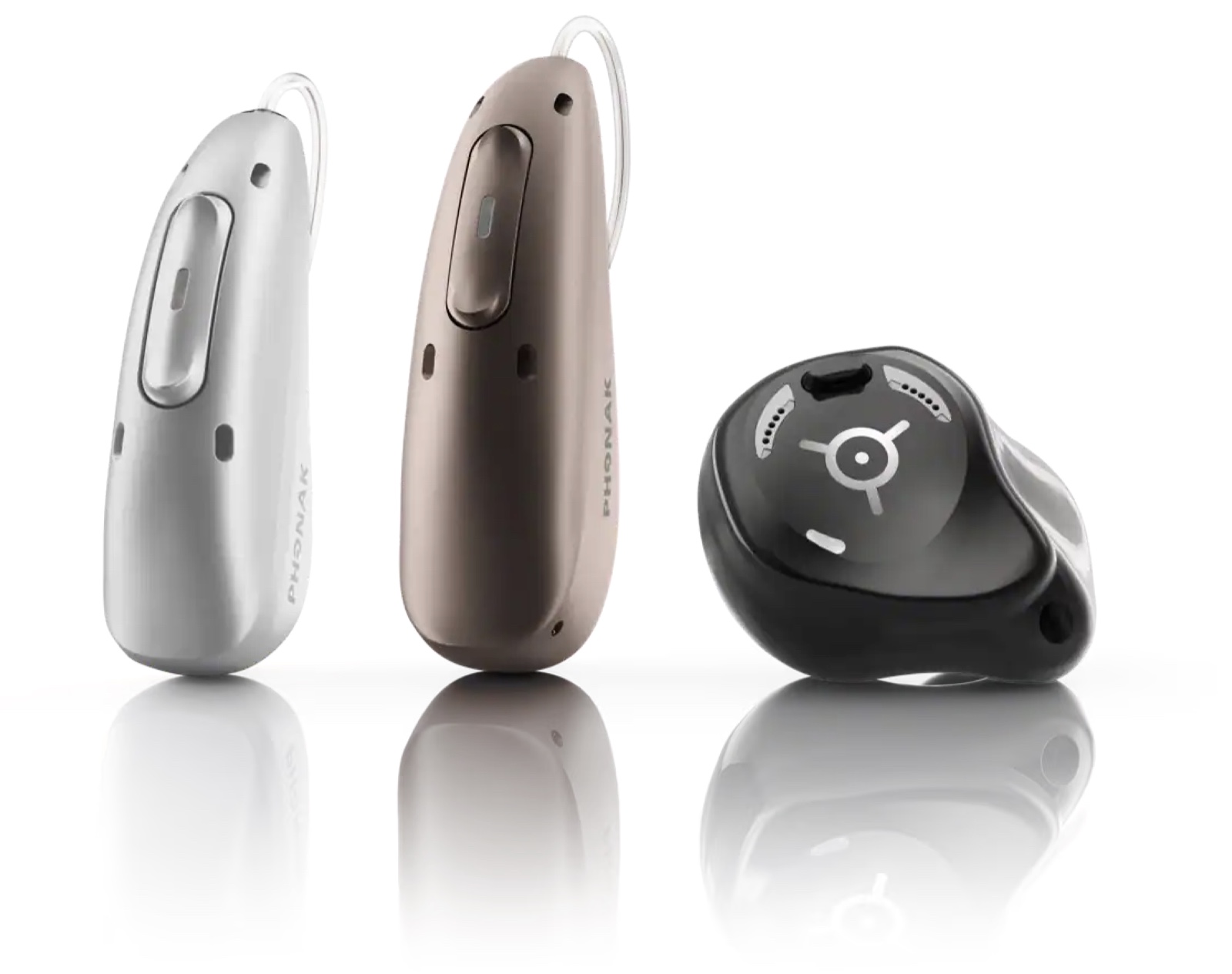
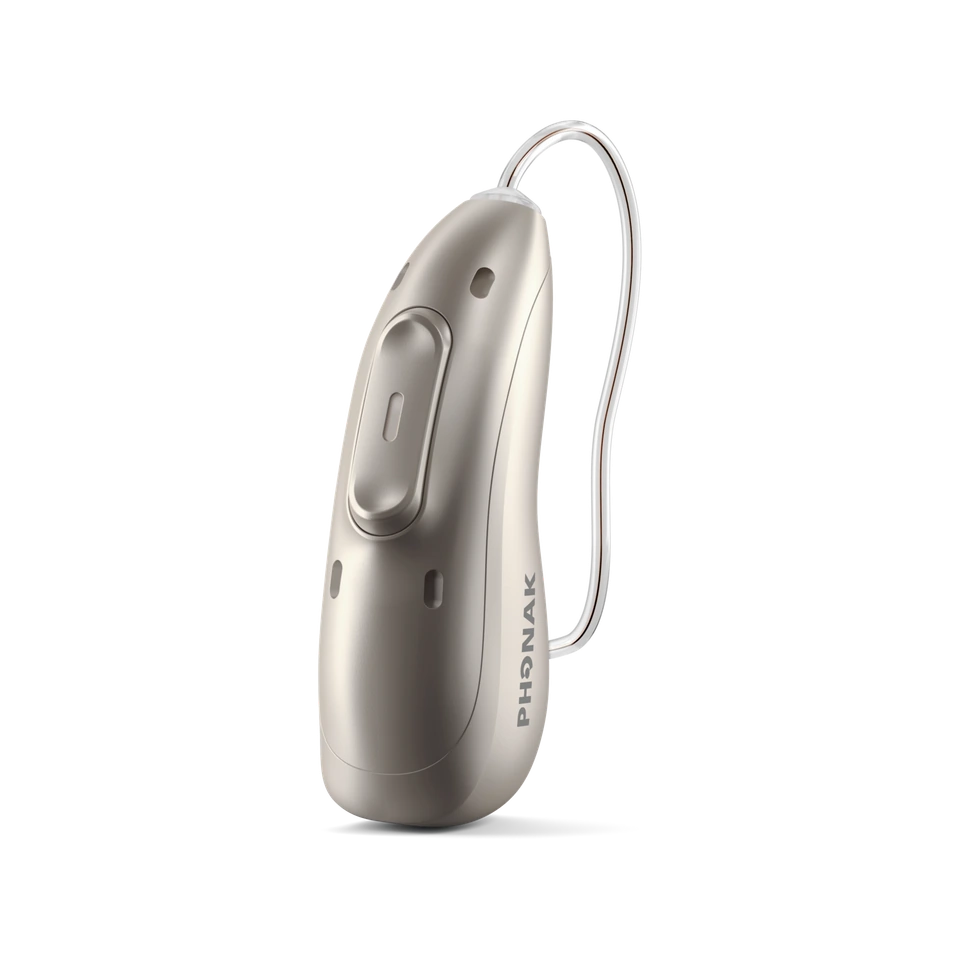
Phonak's current RIC pairs its HYPERSONIC AI chip with Spheric Speech Clarity 3.0, rechargeable power, universal connectivity, and Auracast support.
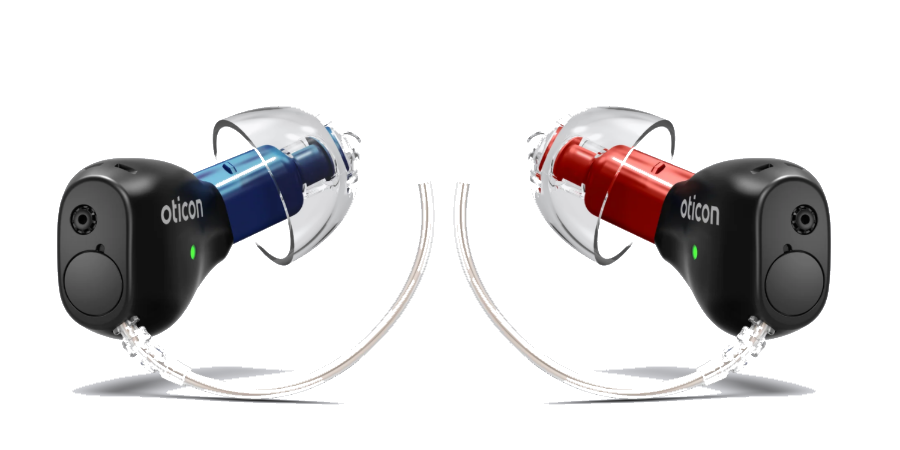
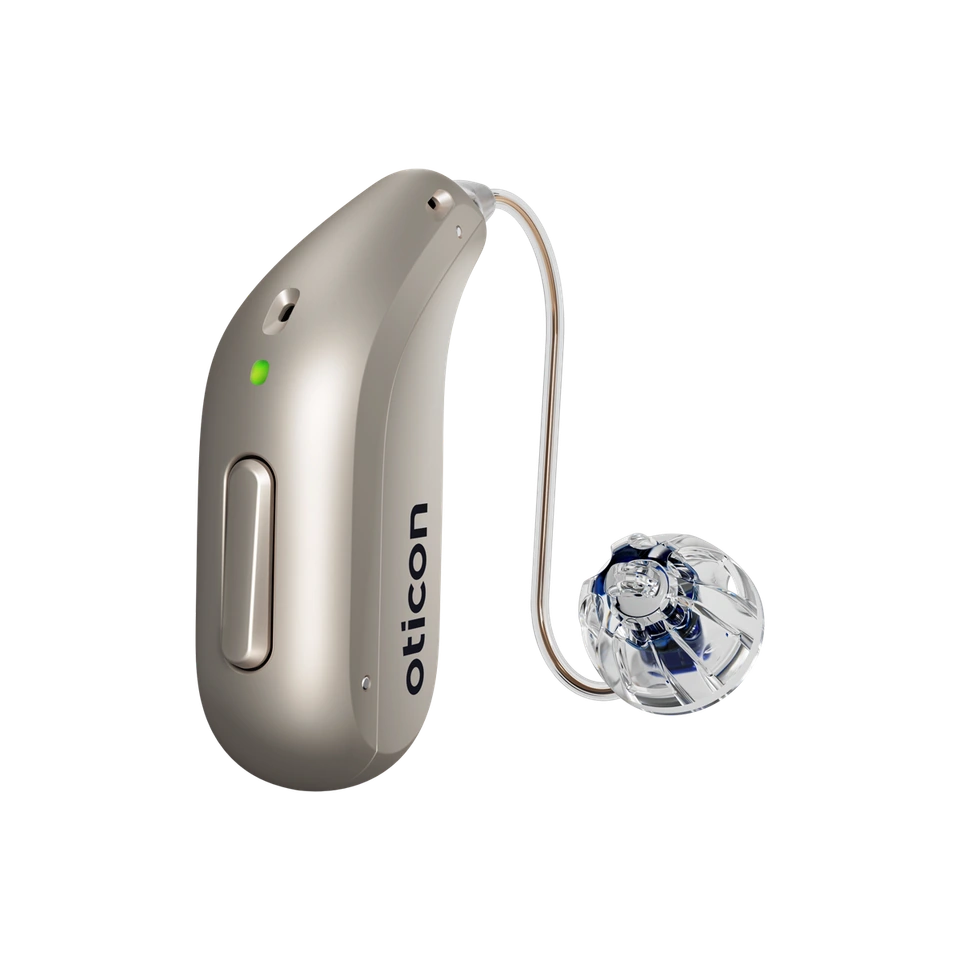
Oticon Reveal uses a dual-AI system: Speech AI supports access to speech while Context AI helps preserve meaningful surrounding sound.
Widex Allure uses the W1 chip with PureSound and ZeroDelay, Speech Enhancer Pro, and a dynamic feedback controller.
Pure Charge&Go MaX combines four AI systems for real-time conversations, the wearer's own voice, ambient scene adaptation, and dynamic noise control.
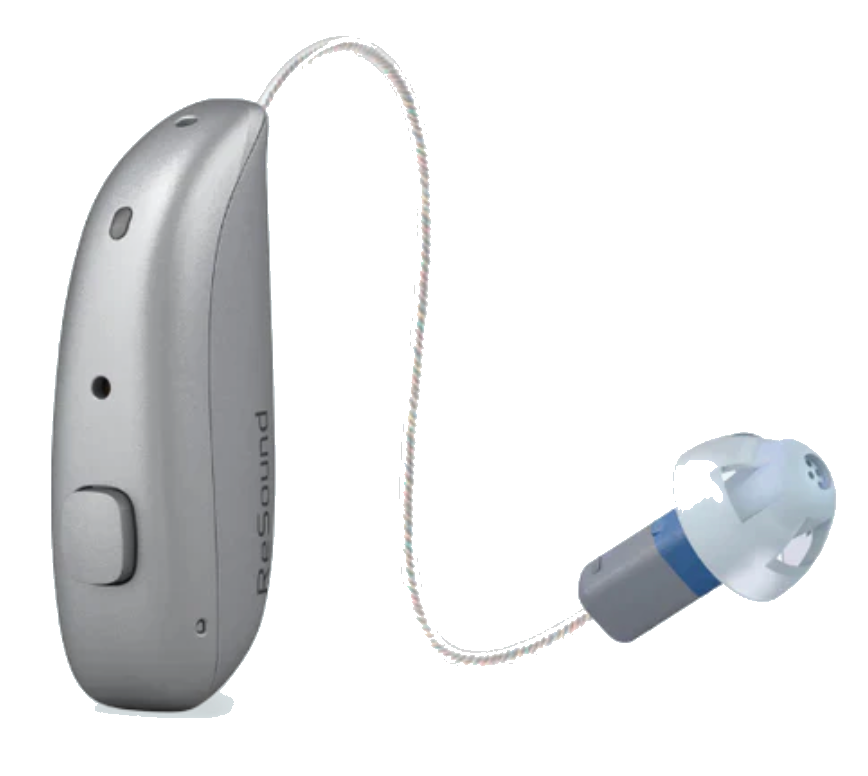
ReSound Sensia combines Intelligent All-Around processing, a four-microphone directional system, DNN noise reduction, and Auracast connectivity.
Made in the USA, with fall detection and activity tracking in the Genesis platform, which may appeal to patients or families prioritizing wellness features.
An accessible premium option with Bluetooth and rechargeability, often considered by patients who want strong performance at a moderate price point.
Moxi S-RX uses AI SoundSonic360 and an AI Noise Filter, with rechargeable power, universal Bluetooth, and Remote Plus app control.
Form meets function
Receiver sits in the ear canal, electronics behind the ear. Discreet, rechargeable, acoustically precise. Suits most mild-to-severe losses.
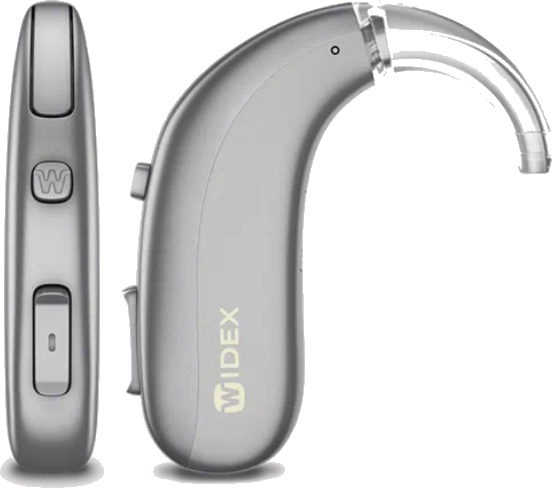
Full electronics behind the ear with a tube to a custom earmold. Most powerful option, ideal for severe-to-profound hearing loss.
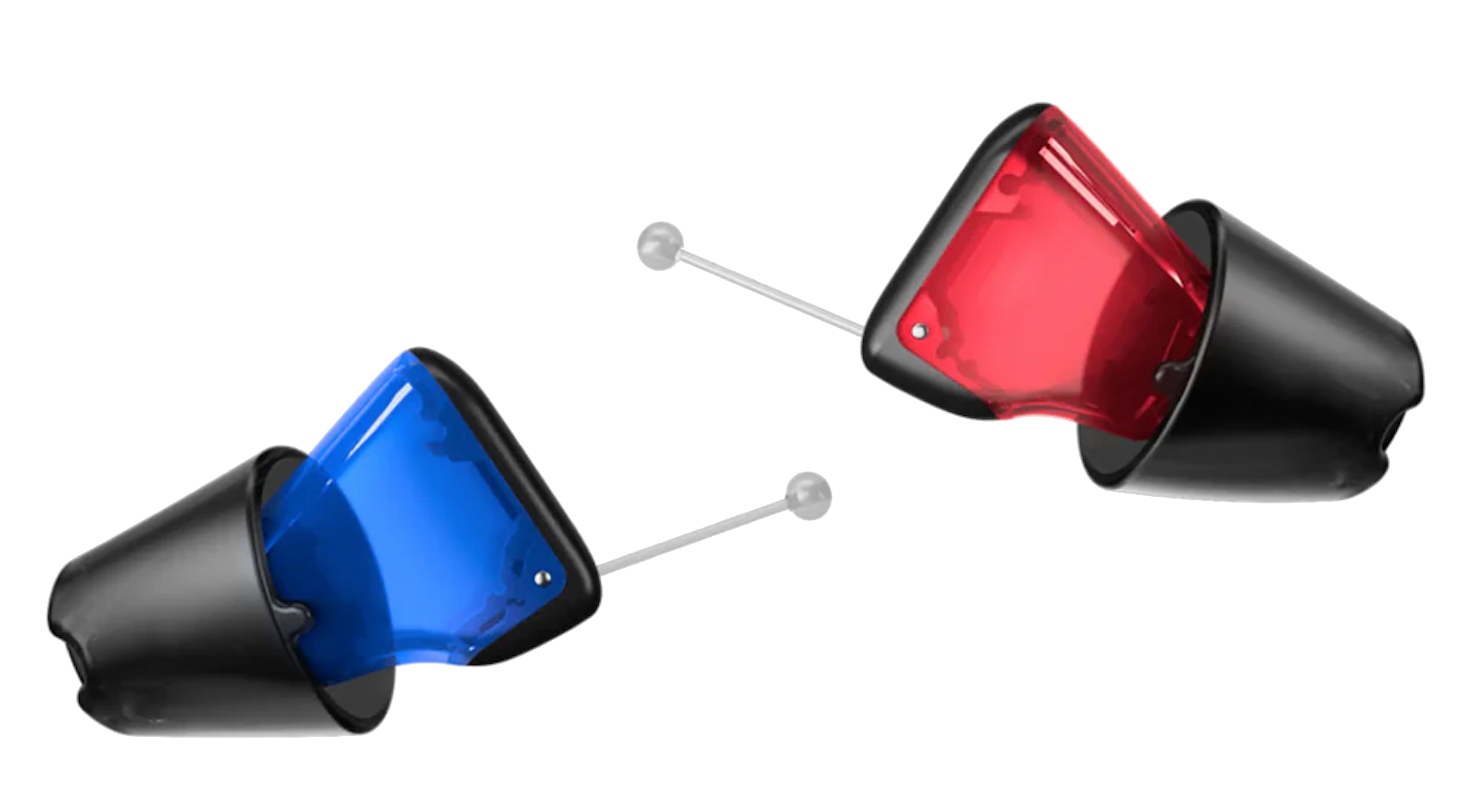
Sits entirely in the ear canal, invisible when worn. Candidacy depends on ear canal anatomy. Assessed at your evaluation.
DAYS
Every fitting includes a 45-day trial. Wear the device across real situations, return for adjustments, and track what works. A well-fitted hearing aid is a clinical collaboration across multiple visits, not a one-time purchase.

Founder & Clinical Director of Pinnacle Audiology, formerly Audiology Supervisor at Weill Cornell Medicine. Content updated September 27, 2026.
This article is for general educational purposes and is not a substitute for a comprehensive hearing evaluation. Hearing aid recommendations should be based on an individual audiogram, medical history, and lifestyle assessment by a licensed hearing care professional.
References
- Picou, E.M. (2022). "Hearing aid benefit and satisfaction: MarkeTrak 2022." Seminars in Hearing. 43(4):301-316.
- Lin, F.R., et al. (2023). "ACHIEVE trial: hearing intervention and cognitive decline." The Lancet. 402(10404):786-797.
- Humes, L.E. (2023). "U.S. Population Data on Hearing Loss, Trouble Hearing, and Hearing-Device Use in Adults: National Health and Nutrition Examination Survey, 2011-12, 2015-16, and 2017-20." Trends in Hearing.
- U.S. FDA. (2022). "Establishing Over-the-Counter Hearing Aids." Federal Register. Final Rule.
- De Sousa, K.C., et al. (2023). "OTC vs audiologist-fitted hearing aids: RCT." JAMA Otolaryngology. 149(6):522-530.
- GBD 2019 Hearing Loss Collaborators. (2021). "Hearing loss prevalence 1990-2019." The Lancet. 397(10278):996-1009.
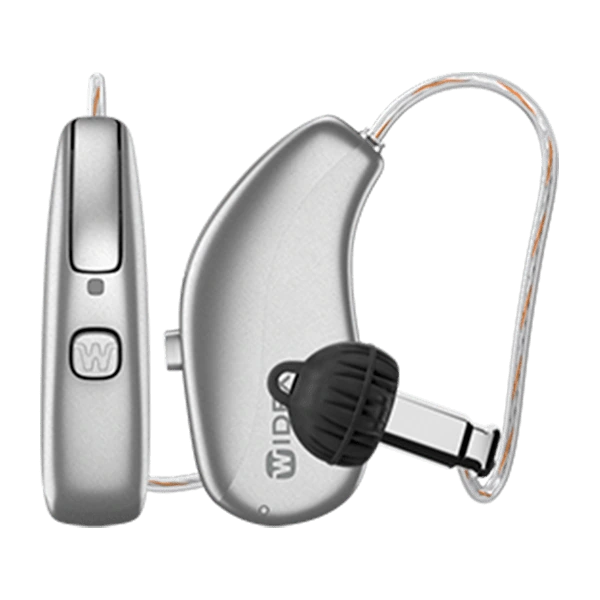
Hearing aids, up close
Official manufacturer images of prescription hearing-aid examples. These photographs identify the models shown, not a recommendation for your hearing or a guarantee of availability.
Compare thoughtfully.
Fit clinically.
A guide can help you ask better questions. A diagnostic evaluation and verified fitting are what connect those answers to your hearing and your everyday life.
Frequently
asked questions.
Straightforward, clinically reviewed answers about choosing, fitting, and paying for hearing aids in New York City.
Which new 2026 hearing aids can I compare?
Current options include Phonak Audéo EON Sphere, Oticon Reveal, Signia Pure C&G MaX, Widex Allure, ReSound Sensia, and Unitron Moxi S-RX, alongside other major platforms. The right shortlist depends on your hearing evaluation, lifestyle, phone, dexterity, and availability. Compare current hearing aids in NYC.
Link to this answerWhat are the best hearing aids in NYC?
The best hearing aid depends on your hearing test results, lifestyle, listening environments, dexterity, and budget, and on how well the device is fit. At Pinnacle Audiology, recommendations are based on your audiogram and real-world needs, not on any one brand being best for everyone.
Link to this answerHow much do hearing aids cost in NYC?
Prescription hearing aid pricing in NYC typically reflects the technology tier you choose, the number of devices, and the professional services bundled with the device, such as the fitting, real-ear verification, and follow-up care included in the price. For a full breakdown by tier and manufacturer, see our hearing aid cost guide.
Link to this answerWhich hearing aid brand is best?
No single hearing aid brand is best for every patient. Phonak, Oticon, Signia, Widex, ReSound, Starkey, and Unitron each have distinct clinical strengths, from speech-in-noise processing to natural sound quality to smartphone integration, and the right choice depends on your specific hearing loss, lifestyle, and listening priorities. Explore our full hearing aid brand comparison to learn more.
Link to this answerDo hearing aids need to be fit by an audiologist?
Yes. Prescription hearing aids are selected, programmed, fit, and adjusted by a licensed hearing care professional based on a comprehensive diagnostic hearing evaluation. Proper fitting, not just the device itself, is what determines how well you actually hear day to day.
Link to this answerWhat is real-ear measurement?
Real-ear measurement uses a small probe microphone placed in the ear canal to verify that a hearing aid is delivering the exact amount of amplification prescribed for your specific hearing loss, rather than relying on the manufacturer's generic default settings. Every fitting at Pinnacle Audiology includes this verification step.
Link to this answerAre OTC hearing aids the same as prescription hearing aids?
No. Over-the-counter hearing aids are intended for adults who perceive mild to moderate hearing loss and are self-fit, without professional programming. Prescription hearing aids are selected and verified by a licensed audiologist and are appropriate when medical, asymmetric, or more significant hearing concerns are present.
Link to this answerDoes insurance cover hearing aids?
Coverage varies by plan and provider. Some insurance plans and Medicare Advantage plans include a hearing aid allowance or discount, while traditional Medicare typically does not cover devices. Our team verifies your specific insurance benefits before your appointment. For a closer look at how plans differ, see our guide to hearing aid insurance coverage in New York.
Link to this answerHow long does it take to adjust to hearing aids?
Most patients need several weeks to adjust as the brain relearns how to process amplified sound. Follow-up programming visits during this period fine-tune the fitting for real-world situations, which is why adjustment is part of the process, not a one-time event.
Link to this answerCan I try hearing aids before deciding?
Yes. Every fitting at Pinnacle Audiology includes a 45-day trial period, so you can wear the devices through your actual daily routine, restaurants, meetings, commutes, and quiet evenings at home, before committing to a purchase, and return for adjustments as often as needed along the way.
Link to this answerDo you offer hearing aid care in Manhattan?
Yes. Pinnacle Audiology's Midtown Manhattan office, near Herald Square, provides hearing evaluations, fittings, and ongoing hearing aid care six days a week, alongside our second location in Garden City, Long Island.
Link to this answerDo you help patients compare different hearing aid brands?
Yes. Pinnacle Audiology fits hearing aids from eight leading manufacturers with no exclusive contracts, so brand and technology recommendations are matched to your audiogram and lifestyle rather than a limited product line. See our full hearing aid options.
Link to this answerWhat matters more, the hearing aid or the fitting?
The fitting, in most cases. Outcome research consistently shows that patient satisfaction tracks closest with fitting quality, verification, and follow-up care, not the price of the device itself. Even premium technology only performs as intended when it is programmed to verified targets, adjusted for real-world listening, and supported with follow-up care over time.
Link to this answerStart with a
hearing evaluation.
Comprehensive testing, honest guidance, and long-term support from New York's leading independent audiology practice. Two offices, six days a week.