
A hearing-aid consultation should not begin with a sales pitch. It should begin with a clear understanding of the hearing problem, the situations that matter most, and whether amplification is even the right next step.
For Manhattan patients comparing prescription hearing aids, the consultation is where clinical care and technology meet. A well-designed visit explains what the testing shows, what different devices can and cannot do, how the fitting will be verified, what professional support is included, and what the complete financial commitment looks like.
This guide walks through the process from the first appointment to the first weeks of use so patients and families can compare practices on substance rather than brand names or promotional language.
Before Technology: A Complete Hearing Evaluation
The first question is not “Which hearing aid?” It is “What is causing the difficulty, and what does the patient need to hear better?” A comprehensive evaluation identifies the type and degree of hearing loss and looks for findings that change the treatment plan.
At minimum, the audiologist should take a detailed history, examine the ear canals and eardrums, measure hearing thresholds, and assess speech understanding. Depending on the symptoms, middle-ear testing, speech-in-noise testing, or additional measures may be appropriate. Sudden change, marked asymmetry, drainage, pain, or significant dizziness may require medical referral before amplification proceeds.
The FDA advises adults to consider a professional hearing evaluation to determine the type and amount of hearing loss before obtaining a device. For patients who want a diagnostic starting point, Pinnacle provides comprehensive hearing testing in Manhattan.
The Needs Assessment: Turning an Audiogram Into a Real-Life Plan
An audiogram is essential, but it does not describe the whole person. Two patients with similar thresholds may have very different priorities. One may need to follow rapid discussion in a conference room; another may care most about dinner with family, Broadway performances, phone calls, television, or hearing a caregiver at home.
A useful consultation identifies a short list of specific listening goals. It also considers dexterity, vision, ear anatomy, cognitive load, comfort with smartphones, travel, work demands, tinnitus, previous hearing-aid experience, and the availability of family support. These details guide the physical style, controls, accessories, and technology level.
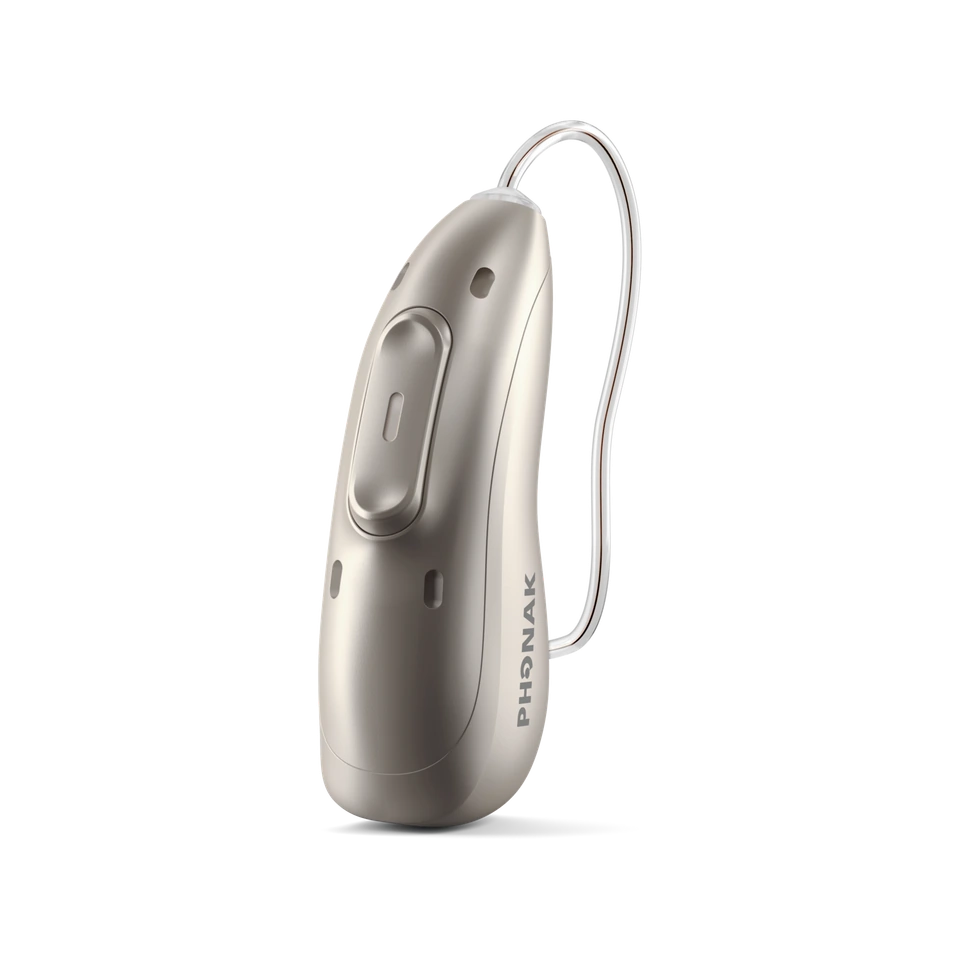
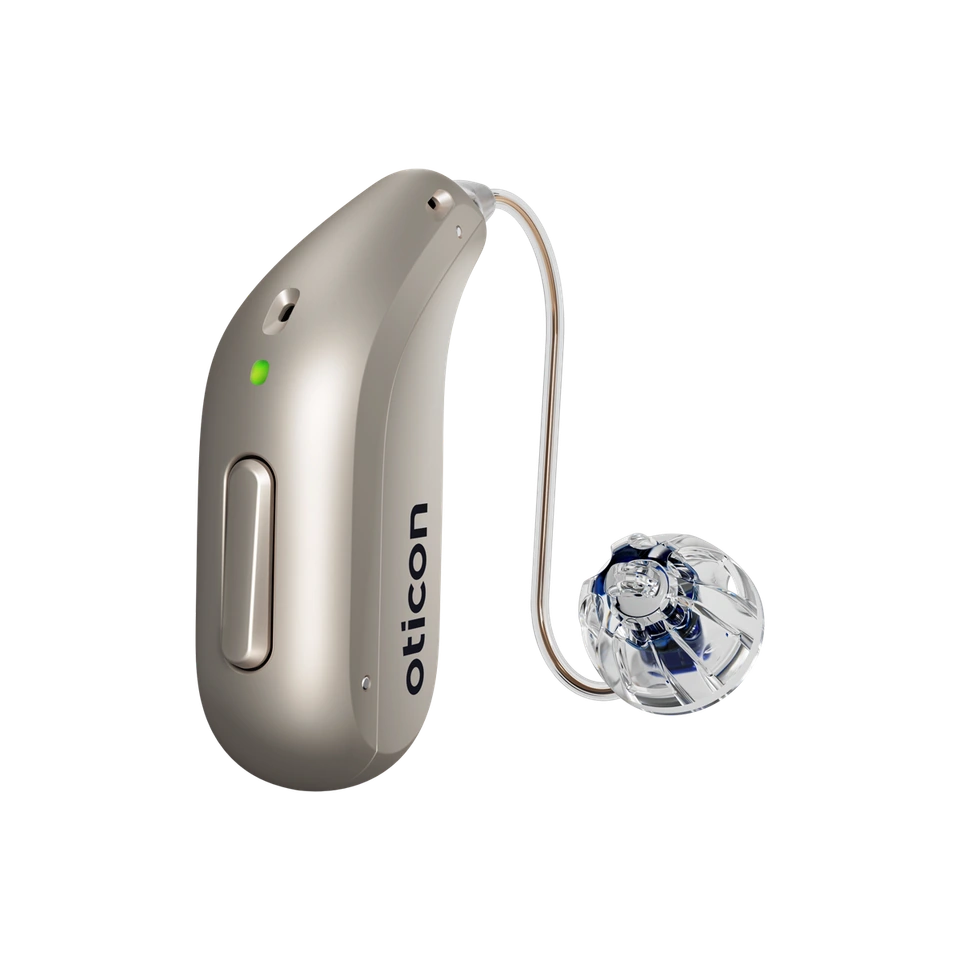
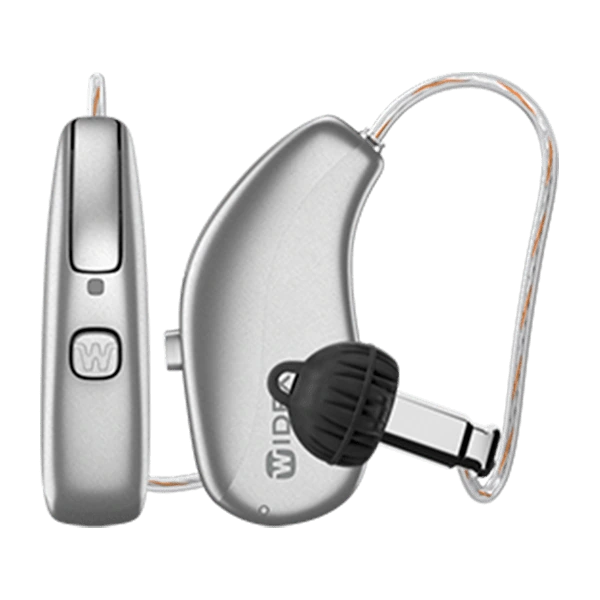
Hearing aids, up close
Official manufacturer images of prescription hearing-aid examples. These photographs identify the models shown, not a recommendation for your hearing or a guarantee of availability.
Prescription, OTC, or Another Option?
Adults 18 and older with perceived mild-to-moderate hearing loss may purchase OTC hearing aids without a professional examination or fitting. The FDA created this category to improve access. OTC products can be appropriate for motivated adults whose needs fit the category and who are comfortable completing setup and troubleshooting themselves.
Prescription devices are available through licensed professionals and can be appropriate across degrees of hearing loss. They allow the clinician to integrate diagnostic findings, select from a wider range of physical and acoustic options, and provide professional fitting and follow-up. Some patients may also benefit from assistive listening devices, communication strategies, hearing protection, medical treatment, or monitoring instead of hearing aids.
A credible consultation explains the alternatives without presenting every difficulty as a reason to buy the most advanced technology.
How the Audiologist Selects the Technology
Major manufacturers offer strong platforms, but they do not process sound identically. Differences may include directional microphone behavior, noise management, rechargeable systems, Bluetooth compatibility, remote-microphone options, tinnitus features, earmold choices, and software flexibility.
The audiologist should explain why a particular platform and style fit the patient’s hearing, anatomy, and priorities. Ask whether the practice works with multiple manufacturers and what alternatives were considered. At Pinnacle, the team fits and services every major brand so the recommendation can begin with the patient rather than a single product contract.
Technology tiers should be discussed in terms of likely benefit in the patient’s environments. More processing may help someone who routinely navigates complex speech and noise, but a higher tier is not automatically better for every person.
What Pricing Should Include Before You Commit
A hearing-aid quote should be understandable without decoding fine print. Ask whether the price includes the devices, earmolds or custom components, fitting, real-ear verification, follow-up visits, cleaning, supplies, repairs, warranty coverage, loss-and-damage coverage, remote support, and annual testing. Ask which services continue after the initial bundled period and what they cost.
The FDA recommends reviewing the trial or adjustment period, nonrefundable fees, warranty, maintenance, and repair coverage before buying. New York patients should also ask how insurance benefits, third-party hearing plans, FSA or HSA funds, and financing affect the care model. A benefit is useful only when the network, device selection, and service terms are clear.
Original Medicare does not cover hearing aids or exams for fitting hearing aids, although Medicare Part B covers certain diagnostic hearing and balance examinations under its rules. Medicare Advantage plans vary. Pinnacle verifies benefits when possible and explains professional or concierge fees before care is provided.
Why Real-Ear Verification Is a Non-Negotiable Question
Hearing-aid software begins with a calculated setting. The software does not know the exact acoustics of the individual ear canal. Real-ear measurement uses a probe microphone placed near the eardrum to measure the amplified sound and compare it with an evidence-based target.
This step allows the audiologist to see whether soft speech is audible, average speech is appropriately amplified, and loud sounds remain within a comfortable range. It also reveals differences caused by the ear canal, dome, earmold, venting, and receiver. Ask whether verification is included in every fitting and whether the results will be explained.
Pinnacle uses real-ear measurement as part of its hearing-aid fitting standard, not as an optional upgrade.
The First Fit Is the Beginning, Not the Finish
Even a precisely verified fitting requires adaptation. Patients are hearing environmental details that the brain may not have processed clearly for years. The first weeks are used to balance audibility, comfort, clarity, physical fit, and the listening goals identified at the consultation.
Follow-up should be planned rather than left to chance. The audiologist may review data logging, repeat outcome measures, adjust programs, address phone connectivity, modify an earmold, add a remote microphone, or coach communication strategies. Patients should know how to request help and whether they will continue with the same clinician.
The FDA notes that hearing aids have limitations: they do not restore normal hearing, background noise remains challenging, and adjustment can take time. Honest counseling sets realistic expectations while still pursuing meaningful improvement.
What to Bring to a Manhattan Consultation
- A list of the situations where hearing is hardest, ranked by importance.
- Current hearing aids, chargers, accessories, and prior test results.
- A medication list and relevant ear or medical history.
- Insurance and hearing-benefit information.
- The phone or tablet that will connect to the devices.
- A family member or communication partner, if the patient wants support.
- Questions about price, trial terms, warranty, follow-up, and repairs.
Bringing concrete examples makes the consultation more productive. Instead of saying “restaurants are hard,” describe whether the difficulty is the person across the table, a server beside you, multiple speakers, or fatigue after an hour. Each problem suggests a different combination of counseling, technology, and accessories.
Office Care, Remote Support, and Home Visits
Some services require calibrated office equipment, while others can be completed remotely or in the home. Patients with mobility limitations, busy schedules, or complex family logistics should ask how the practice combines these settings.
Pinnacle provides office care in Herald Square and concierge at-home audiology in Manhattan, Brooklyn, Queens, and Nassau County. Home care is a concierge service with a visit fee for each visit. The team explains which testing and fitting services are appropriate at home and which are best completed in the office.
Questions to Ask Before Booking
- Will a licensed audiologist perform the evaluation and fitting?
- How much time is reserved for the first visit?
- Do you work with multiple hearing-aid manufacturers?
- Is real-ear measurement included?
- How are my listening goals and outcomes documented?
- What is included in the quoted price?
- What are the trial, refund, warranty, and repair terms?
- Who will provide my follow-up care?
- Can family participate in person or remotely?
Frequently Asked Questions
Do I need to know which hearing aid I want before the consultation?
No. Bring your priorities and questions. Device selection should follow the evaluation and needs assessment.
Link to this answerCan I compare multiple brands?
Yes. An independent audiology practice can explain differences among manufacturers and recommend options suited to the patient’s hearing, anatomy, and lifestyle.
Is the consultation only for people ready to purchase?
No. The result may be monitoring, medical referral, counseling, an assistive device, OTC technology, prescription hearing aids, or no intervention at that time.
How do I schedule with Pinnacle?
Patients looking for a board-certified audiologist in NYC can begin with Pinnacle’s doctoral team in Herald Square, explore hearing aids in NYC, or call to discuss whether a concierge visit is appropriate.
References
- U.S. Food and Drug Administration. “How to Get Hearing Aids.”
- U.S. Food and Drug Administration. “Hearing Aid Benefits and Limitations.”
- U.S. Food and Drug Administration. “OTC Hearing Aids: What You Should Know.”
- Medicare.gov. “Hearing & Balance Exams.”
- National Institute on Deafness and Other Communication Disorders. “Hearing Aids.”
Get expert
hearing care.
Comprehensive evaluation, honest guidance, and long-term support, from New York's leading independent audiology practice.